Internet Security: Which Measures Reduce Risks

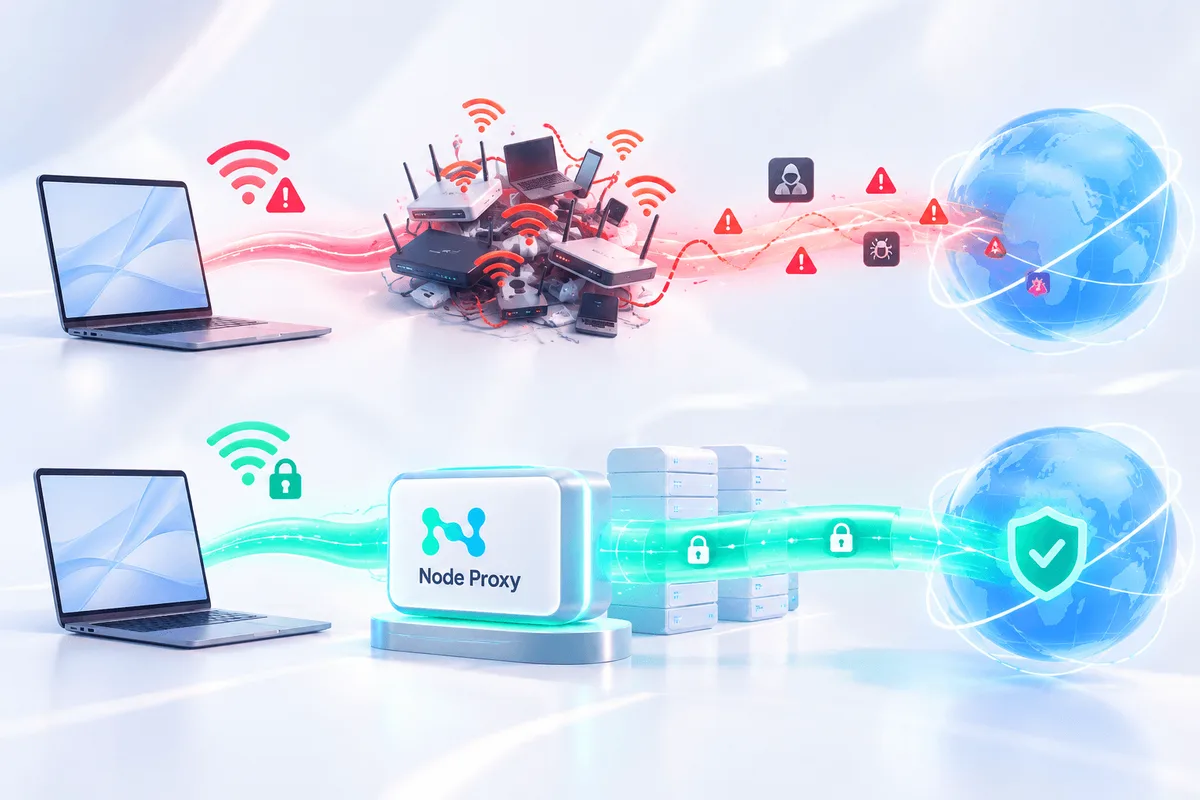
Internet threats are rarely associated with a single major mistake. More often, the problem arises from a chain of small oversights: an outdated system, a reused password, disabled two-factor protection, inattention to links, and the services through which data passes. That is why basic digital security is built not on a single measure, but on a set of habits that work together.
Updates Are Not a Formality but a Basic Level of Protection
The first step in protecting devices is the timely installation of operating system, browser, and application updates. Known vulnerabilities are often exploited specifically through outdated software. When a device no longer receives updates, it gradually falls out of the current protection framework: discovered flaws remain unpatched, security mechanisms are not improved, and new methods of protecting accounts and data are not supported.
In practice, this means one simple rule: updates should not be postponed. It is better to enable automatic installation wherever possible and periodically check whether the manufacturer still supports the device. Older models may remain functional, but from a security standpoint, their use becomes less and less justified over time.
Proxies for Data Collection
Residential and Datacenter IPs help you build a stable setup for collecting web data.
Your Email Password Requires a Separate Approach
Among all accounts, protecting email is especially important. An email inbox often becomes the control center for other accounts: passwords are reset through it, confirmation codes are sent to it, and notifications from banks, marketplaces, social networks, and work services arrive there. If an attacker gains access to email, several digital access points are immediately put at risk.
That is why the email password should not simply be complex, but separate — it should not be reused anywhere else. Reusing the same password remains one of the most common causes of account compromise. A leak on a single insignificant website is enough for the same password to begin being tested on other services.
A good password should be unique and resistant to guessing. For practical use, an approach based on a long passphrase or a combination of random words is convenient. It makes memorization easier without sacrificing strength. But for truly important services, a password alone is no longer enough.
Two-Step Verification Significantly Reduces the Risk of Hacking
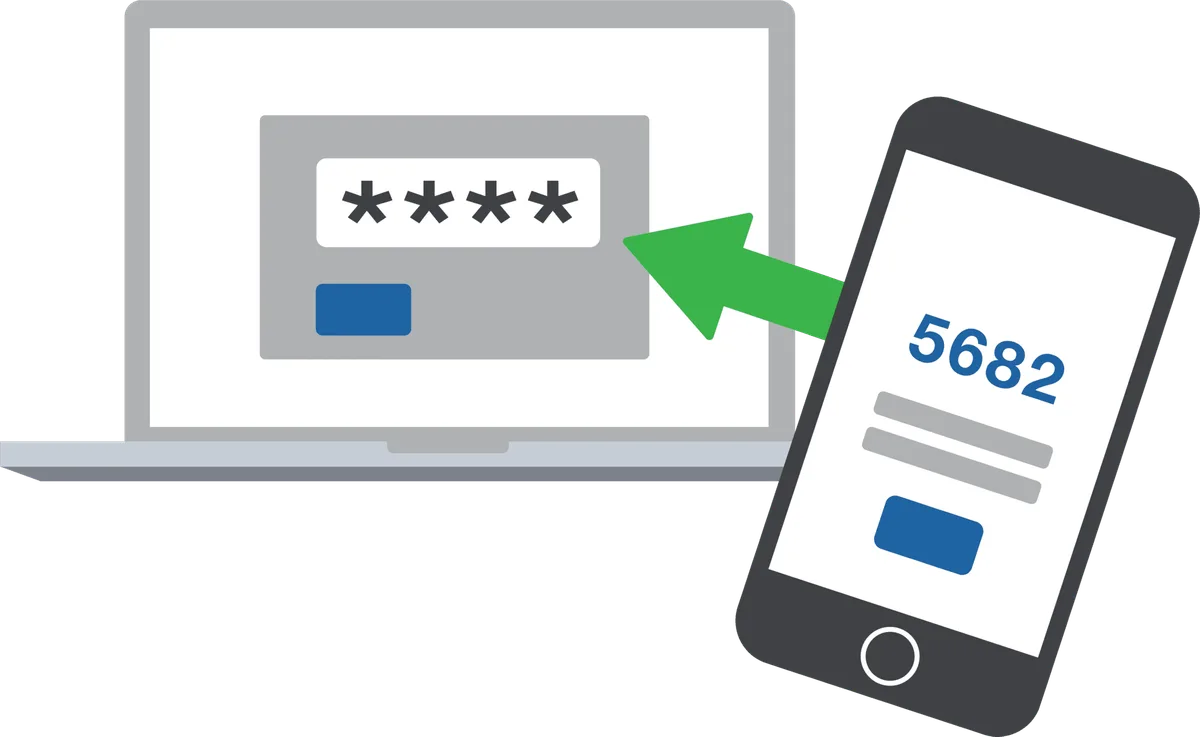
An additional layer of protection is necessary even for accounts that already have a strong password. Two-step verification, 2FA, or MFA makes login dependent not only on knowing the password, but also on a second confirmation factor: a code, an authenticator app, biometric data, or another method of verification.
The point of this measure is that a stolen password by itself is no longer sufficient. This is especially important in situations where the user has done nothing wrong, but their data has ended up in someone else’s hands because of a leak on the service’s side or as a result of a phishing attack. For email, banking services, social networks, and accounts related to payments, two-step verification should be considered a mandatory setting rather than an optional feature.
A Password Manager Solves the Problem of Reuse and Weak Combinations
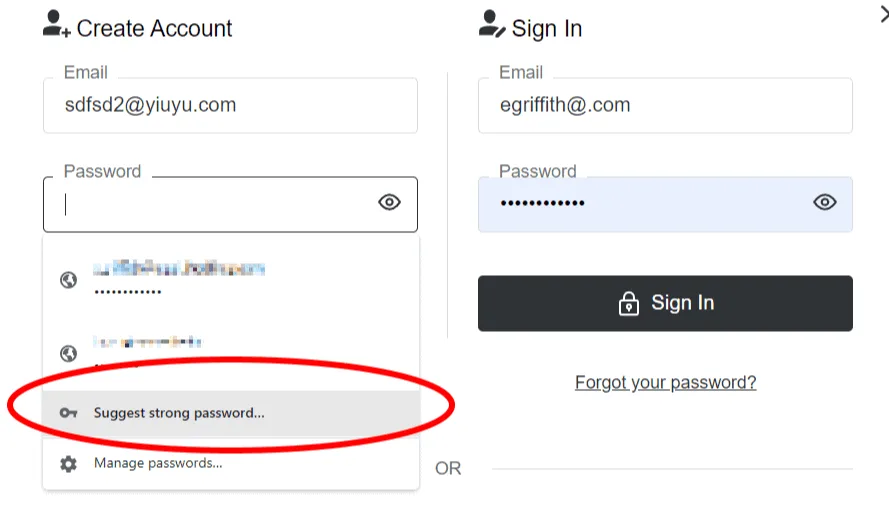
The requirement to use unique passwords for different services sounds reasonable, but in practice it quickly runs up against the limits of human memory. That is why password managers have become one of the most useful tools of basic security. They allow credentials to be stored in one secure vault, automatically filled in on the necessary websites, and long unique combinations to be created without the need to remember each one separately.
An additional advantage of a password manager is that it helps not only with storage, but also disciplines the overall approach to passwords: it reduces the temptation to use the same option in different places, simplifies the replacement of compromised data, and often warns about weak or repeated combinations.
At the same time, it is important to remember the main condition: the master password for the manager must be strong and memorable. It becomes the key to the entire system.
Caution With Emails, Links, and Attachments
Even strong technical protection does not eliminate the human factor. A significant portion of incidents begins when a user opens an email, message, or page that looks familiar but leads to a fake resource or contains a malicious attachment. Such schemes are built not on complex technologies, but on trust, haste, and inattention.
That is why it is useful to follow several simple rules: do not click suspicious links in emails and messages, do not open attachments from unknown senders, do not enter login credentials after following a random link, and carefully check the website address before authorizing. If an email urges you to urgently confirm something, make a payment, or restore access, that alone is already a reason to treat it with increased caution.
Autofill through a password manager also helps here: a correctly saved password is usually filled in only on the real website, not on an imitation of it.
Personal Information in the Public Domain Makes Attacks Easier
Publishing too much personal information increases the risk of account compromise and social engineering. A date of birth, answers to typical security questions, the names of relatives, pets’ names, and other everyday details may seem harmless, but in practice they can be used to guess credentials, restore access, and create convincing fraud scenarios.
That is why it is worth regularly reviewing privacy settings in the services you use and avoiding posting information in the public domain that may be involved in identity verification or used as an auxiliary identifier.
Backups Are Needed Not Only by Businesses
Security is not only about preventing unauthorized access, but also about being prepared for data loss. Photos, documents, work files, and other important materials are best copied regularly to separate storage. This may be an external drive or a cloud service. The main thing is that the backup should not depend entirely on a single device.
This approach reduces the consequences of several scenarios at once: hardware failure, an unsuccessful update, malware infection, accidental file deletion, or loss of access to a device. For truly important data, backup should not be a one-time action, but a regular habit.
Network and Service Security
A home network should be protected with a password, and when using public access points, sensitive data should not be transmitted unless necessary. But it is equally important to evaluate the services themselves through which traffic passes or credentials are entered.
Before making purchases or logging in, it is worth checking whether the website uses a secure connection, whether the address is displayed correctly, and whether there are basic signs of reliable service operation. It is also useful to review the privacy policy: it can help you understand how the resource handles user data and how transparently it describes its processes.
Free proxy services deserve special attention. In practice, they often turn out to be the weakest link in the entire security chain. The user gets an unstable connection, unpredictable service quality, and no clear guarantees regarding traffic handling. Some of these solutions keep logs, some use already compromised or blocked IP addresses, and some services may create direct risks for logins, passwords, and accounts. As a result, an attempt to solve a local task quickly and at no cost leads to blocks, loss of access, or data leaks. If a service is involved in transmitting sensitive information, its selection should be approached just as strictly as the choice of the website or application itself.
What Actually Works in Practice
Basic internet security does not require complicated setup, but it does require consistency. A strong and separate password for email, unique passwords for important accounts, enabled two-step verification, regular updates, backups, attention to links, and a conscious choice of services cover a significant share of everyday risks.
To eliminate the risk of data leaks when using free proxies, you should use the services of trusted paid providers. You can purchase high-quality residential proxies on our website node-proxy.com.