IPv4 Proxies: How They Work, How They Differ, and What Tasks They Are Suitable For
 ·September 19, 2026·6 min read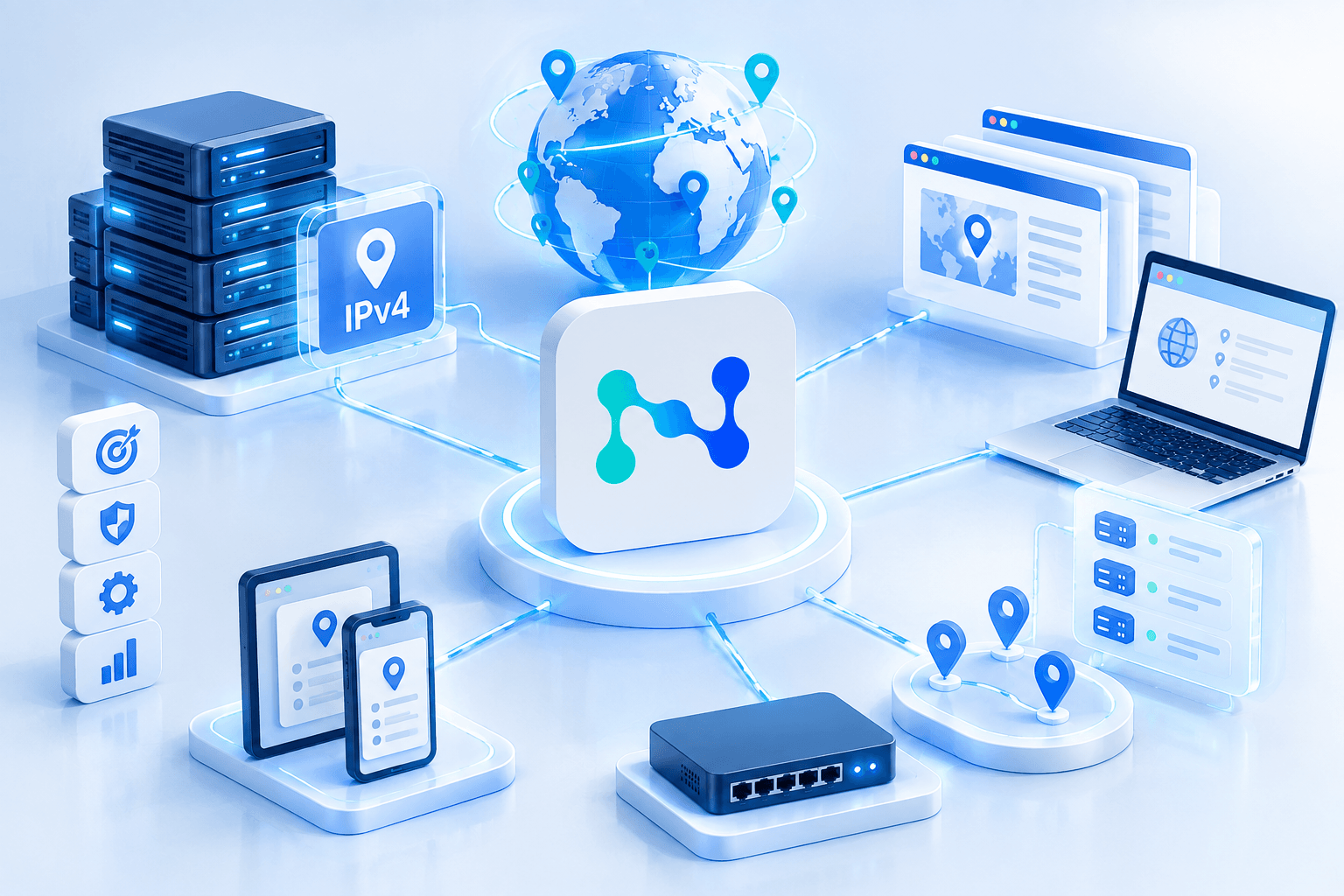
IPv4 proxies remain the working standard for tasks where compatibility, predictable connection behavior, and broad support from websites, services, and software tools matter. Despite the development of IPv6, IPv4 is still used in most networking scenarios, so proxies based on it continue to be actively used in business, development, analytics, and technical administration.
What Is an IPv4 Proxy
An IPv4 proxy is an intermediary server that receives a request from a user, sends it to the required resource on its own behalf, and returns the response back. In this scheme, a website or service interacts not directly with the user’s device, but with a proxy server that has its own IPv4 address.
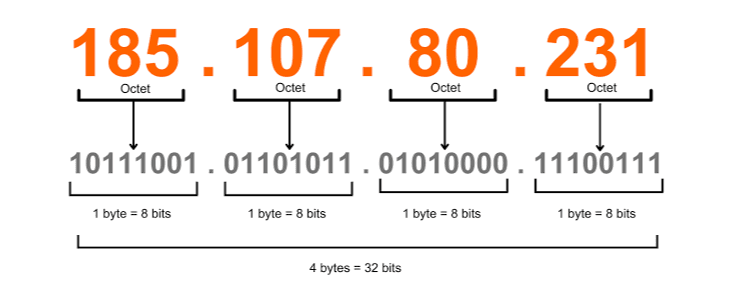
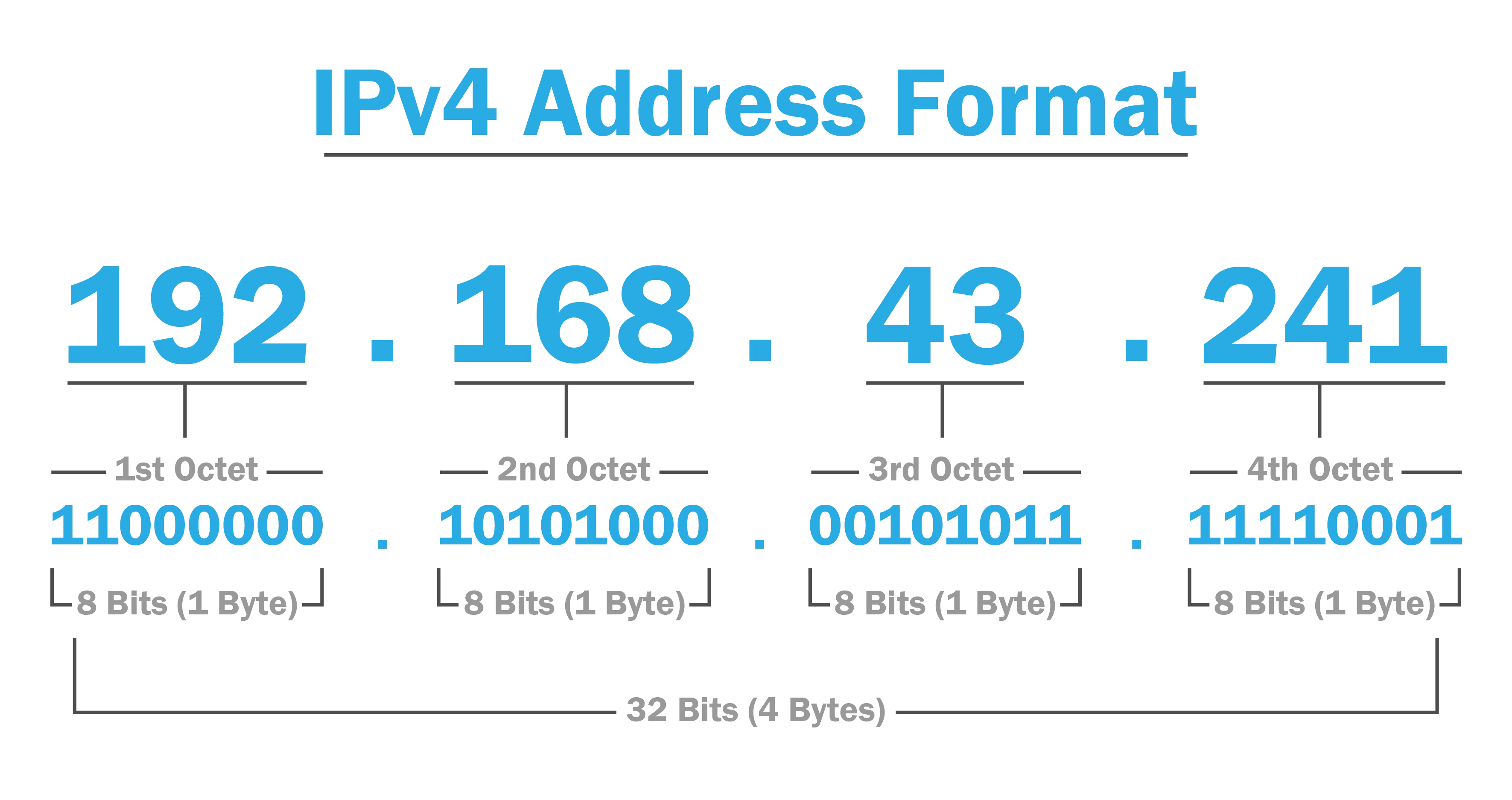
IPv4 is the fourth version of the Internet Protocol. It uses 32-bit addressing, and the address itself is written as four numbers separated by dots, for example: 192.168.10.25. This is the format that still remains the basic one for a significant part of network infrastructure.
When a connection goes through an IPv4 proxy, the target resource sees the proxy’s IP address rather than the original address of the client device. Because of this, proxies can be used for traffic routing, access control, load distribution, organizing separate sessions, and working with network tasks where an external IP different from the primary one is required.
Two IP Types. More Possibilities.
Datacenter IPv4 and residential proxies in one service.
How an IPv4 Proxy Works
A user or program sends a request not directly to a website, but to a proxy server. The proxy receives this request, processes it, and forwards it further using its own IPv4 address. After receiving a response from the remote server, it returns the result to the client.
This scheme solves several practical tasks at once. First, it allows client-side and external network identification to be separated. Second, it helps manage traffic centrally. Third, it makes it possible to use different IP addresses for different processes, services, or connection scenarios.
At the infrastructure level, proxy providers usually work with pools of addresses. Depending on the pricing plan and type of service, the user may be assigned either one permanent IP or a group of addresses with automatic rotation. This makes it possible to configure sessions, connection duration, and the traffic usage model in different ways.
Why IPv4 Is Still in Demand
The main reason is compatibility. IPv4 is supported by virtually all websites, web applications, APIs, browsers, server systems, and automation tools. It is a mature standard around which the main internet infrastructure has long been built.
IPv6 solves the problem of address exhaustion through a much broader address space, but the mass transition to it is still proceeding gradually. Many services already support both versions of the protocol, but far from all infrastructure has been fully migrated to IPv6. As a result, IPv4 remains the most universal option for tasks where stable integration and the absence of problems on the side of target resources are important.
In addition, for many companies and developers, what matters is not a theoretical prospect but a practical result: that the address works correctly with the required platforms, systems, and programs. In this sense, IPv4 still remains the most predictable option.
Key Features of IPv4 Proxies
IPv4 proxies are in demand not because of one specific function, but because of a combination of characteristics.
First of all, this is versatility. Such proxies can be used without problems with most websites, network services, browsers, applications, and client programs. They are suitable for HTTP, HTTPS, SOCKS5, and other common connection scenarios.
The second important point is configuration flexibility. Depending on the task, it is possible to use a dedicated address, a static connection, a pool of addresses, or a rotational model. This makes it possible to adapt proxies to long sessions, mass requests, testing, analytical processes, and other working scenarios.
The third feature is convenience for scaling. If it is necessary to distribute traffic across several connections, manage a large number of requests, or run processes in parallel, IPv4 proxy infrastructure usually offers clear and long-established mechanisms for this.
What Types of IPv4 Proxies Exist
Residential
Residential proxies use IP addresses associated with user internet connections. Such addresses appear to external systems as ordinary client connections. This type of proxy is used in tasks where a natural network profile and a high degree of IP address credibility from the point of view of the target resource are important.
Datacenter
Datacenter proxies operate on server infrastructure. Their strengths are performance, speed, and convenience for scaling. Such proxies are often chosen for technical processes where fast response, manageability, and the ability to handle a large volume of requests are important.
Mobile
Mobile proxies use IP addresses of mobile network operators. They are usually used in scenarios where traffic characteristic of mobile networks is required, or where regular address rotation within mobile infrastructure is needed.
Static and Rotating
By the address allocation model, IPv4 proxies are usually divided into static and rotating. Static proxies are suitable for long-term work with the same IP when connection stability is important. Rotating proxies are used where it is necessary to change the address periodically during operation, distributing the load across several IPs.
How IPv4 Proxies Differ from IPv6
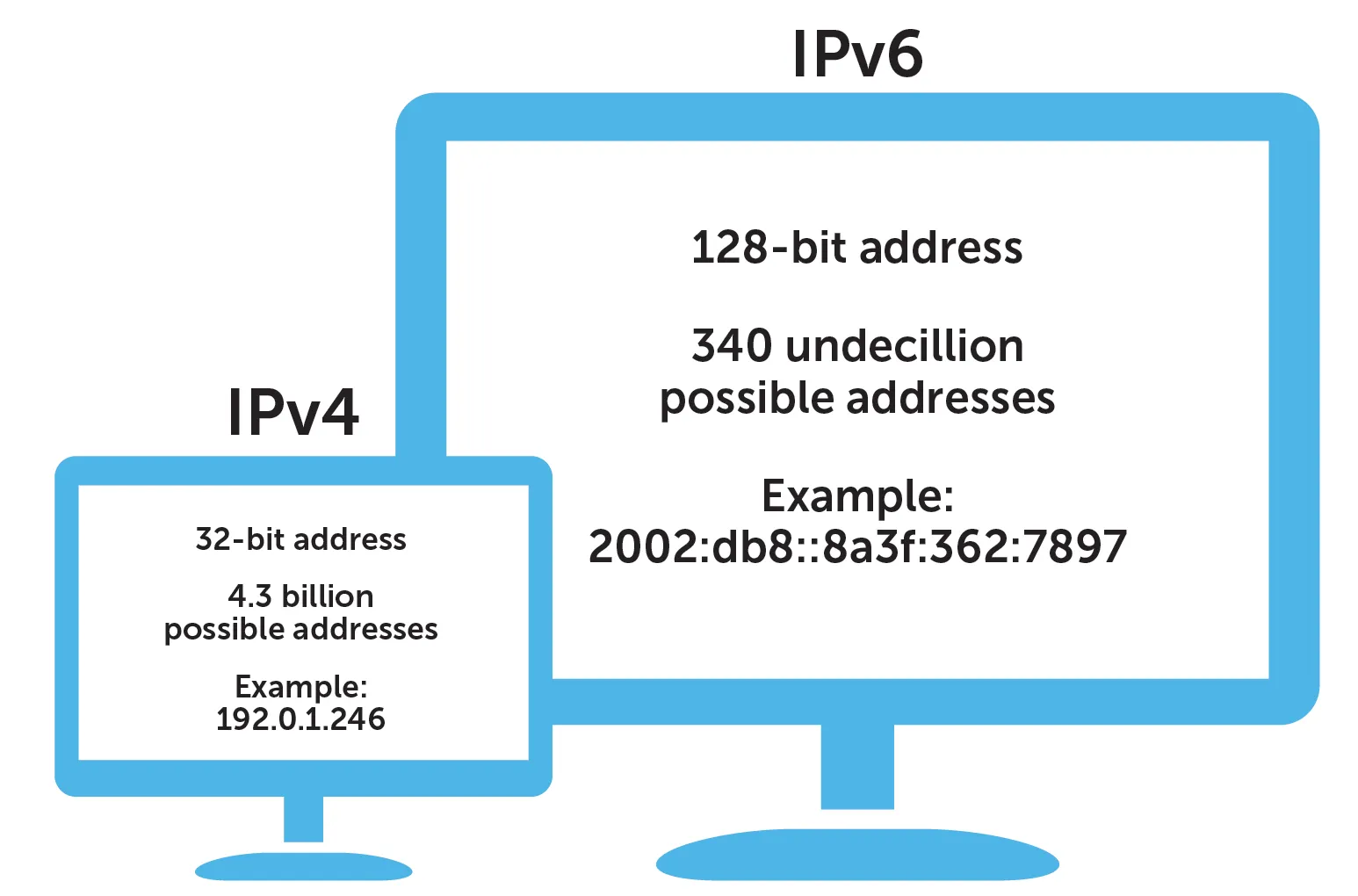
The key difference is related to the addressing format. IPv4 uses 32-bit addresses, while IPv6 uses 128-bit addresses. This means that IPv6 has significantly more available addresses, and from an architectural point of view it solves the problem of IP resource exhaustion better.
But in applied practice, the difference is felt not only in the number of addresses. Today, IPv4 is better integrated into the existing internet environment. Many systems, websites, and tools were originally built around it. Therefore, IPv4 proxies more often turn out to be the more universal choice when it comes to applied work rather than the long-term development of network standards.
IPv6 is gradually expanding its presence, especially in the infrastructure of telecom operators and large platforms, but a full transition requires updates to equipment, server settings, network logic, and software compatibility. For this reason, IPv4 will remain in demand in real working processes for a long time.
You can read about a comparison of IPv4 and IPv6 protocols for gaming in one of our previous articles.
Where IPv4 Proxies Are Used
The scope of IPv4 proxy use is quite broad, but at its core almost always lies the same task: to organize an external connection through a separate IP address and manage it centrally.
In practice, such proxies are used for web analytics, search results monitoring, checking website availability from different regions, automated collection of open data, testing applications and services, distributing requests across several connections, as well as controlling corporate traffic.
Within companies, proxies can be used as a network policy tool: employee requests are routed through them, access to specific resources is filtered, content is cached, and load is managed. For developers and engineers, proxies are convenient as a technical layer through which different network conditions can be modeled and application behavior can be tested in various connection scenarios.
Advantages of IPv4 Proxies
One of the main advantages is maximum compatibility with internet resources and the software environment. This is especially important for tasks where failures caused by limited protocol support are unacceptable.
The second advantage is the variety of usage formats. It is possible to choose an address for a long connection, for distributed traffic, or for variable load. Thanks to this, IPv4 proxies are suitable both for individual working processes and for infrastructure tasks.
The third is the maturity of the technology. Providers, tools, and network platforms have long been able to work with IPv4, so administration, integration, and diagnostics usually turn out to be simpler than in less widespread configurations.
Limitations and What to Consider When Choosing
IPv4 also has objective limitations. The main one is address scarcity. The address space of this protocol version is limited, so high-quality IPv4 resources cost more and require more careful allocation.
It is also important to understand that a proxy in itself does not guarantee stable operation. The result is influenced by channel quality, IP address reputation, proxy type, rotation logic, geography, and supported protocols. If a proxy is configured unsuccessfully or runs on overloaded infrastructure, this will lead to delays, unstable sessions, and connection errors.
It is also worth considering the specifics of the task. Static or dedicated addresses are more often suitable for long-term work. Rotating schemes are better for distributing a large number of requests. Datacenter solutions are more suitable for technical processes with an emphasis on speed. For scenarios where the type of network origin of the address is especially important, residential or mobile proxies are more appropriate.
Conclusion
IPv4 proxies remain an important part of modern network infrastructure. Their value is determined not by the novelty of the technology, but by practical usefulness: broad compatibility, flexible configuration, stable integration with services, and suitability for a large number of applied tasks.
Despite the gradual development of IPv6, IPv4 still remains the most convenient and universal basis for proxy connections. If a task requires stable operation with websites, services, automation, or corporate traffic, IPv4 proxies remain a logical and technically justified choice.