Residential and Mobile Proxies: How to Choose the Right Option for the Task
 ·September 30, 2026·4 min read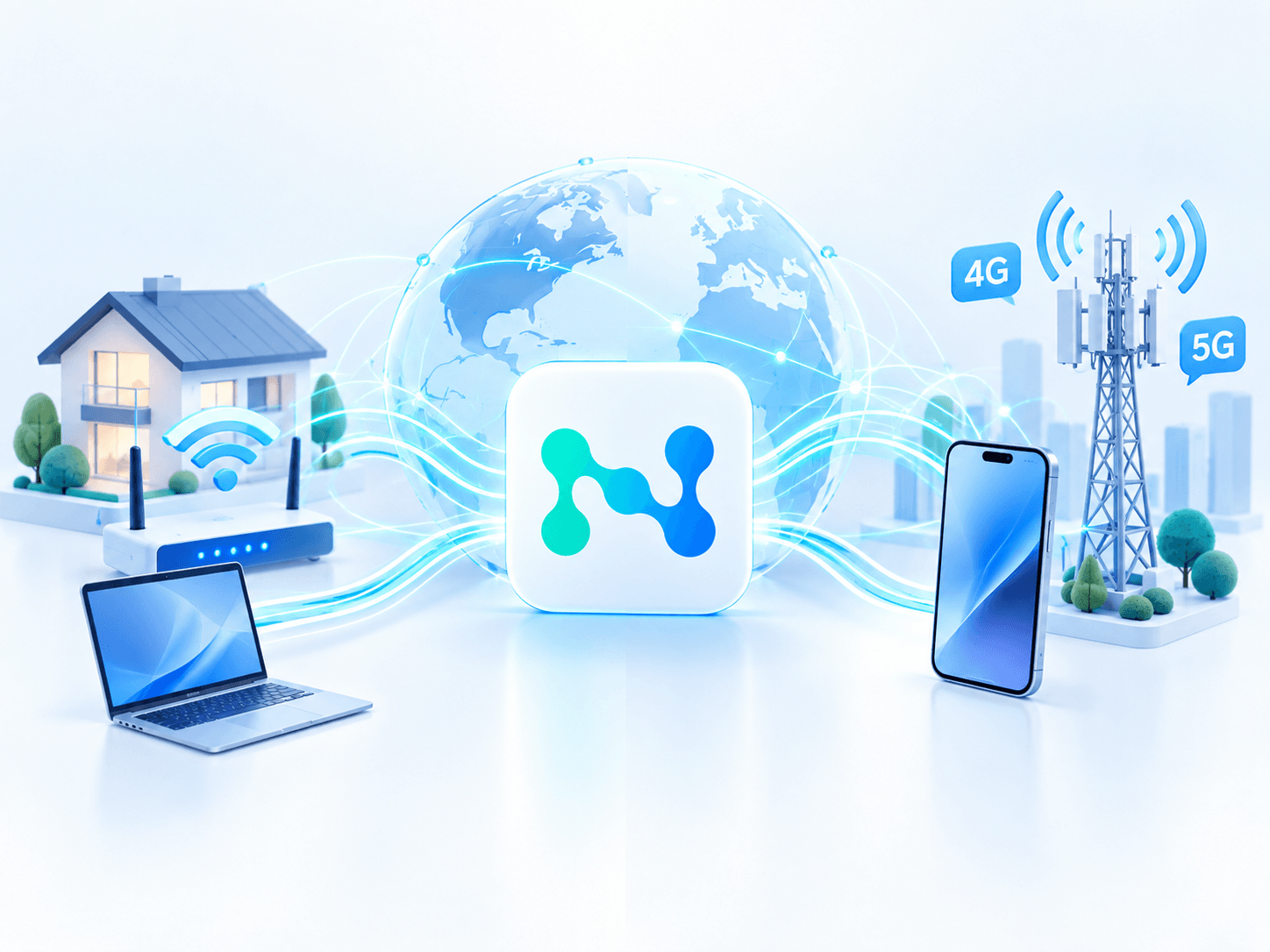
The choice between residential and mobile proxies depends on the conditions in which they will be used. Both types work with IP addresses associated with real networks, but they differ in the origin of the addresses, the nature of rotation, cost, connection stability, and usage scenarios. That is why they should be evaluated through practical requirements: whether stable access is needed, how important frequent IP changes are, what restrictions the target resource uses, and what budget has been allocated for the infrastructure.
What Residential Proxies Are
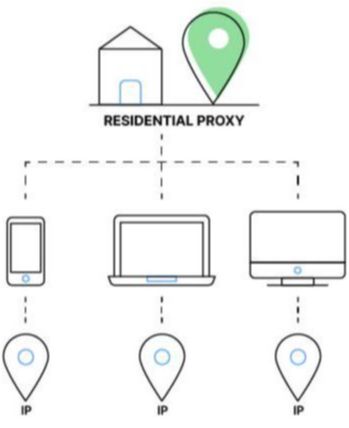
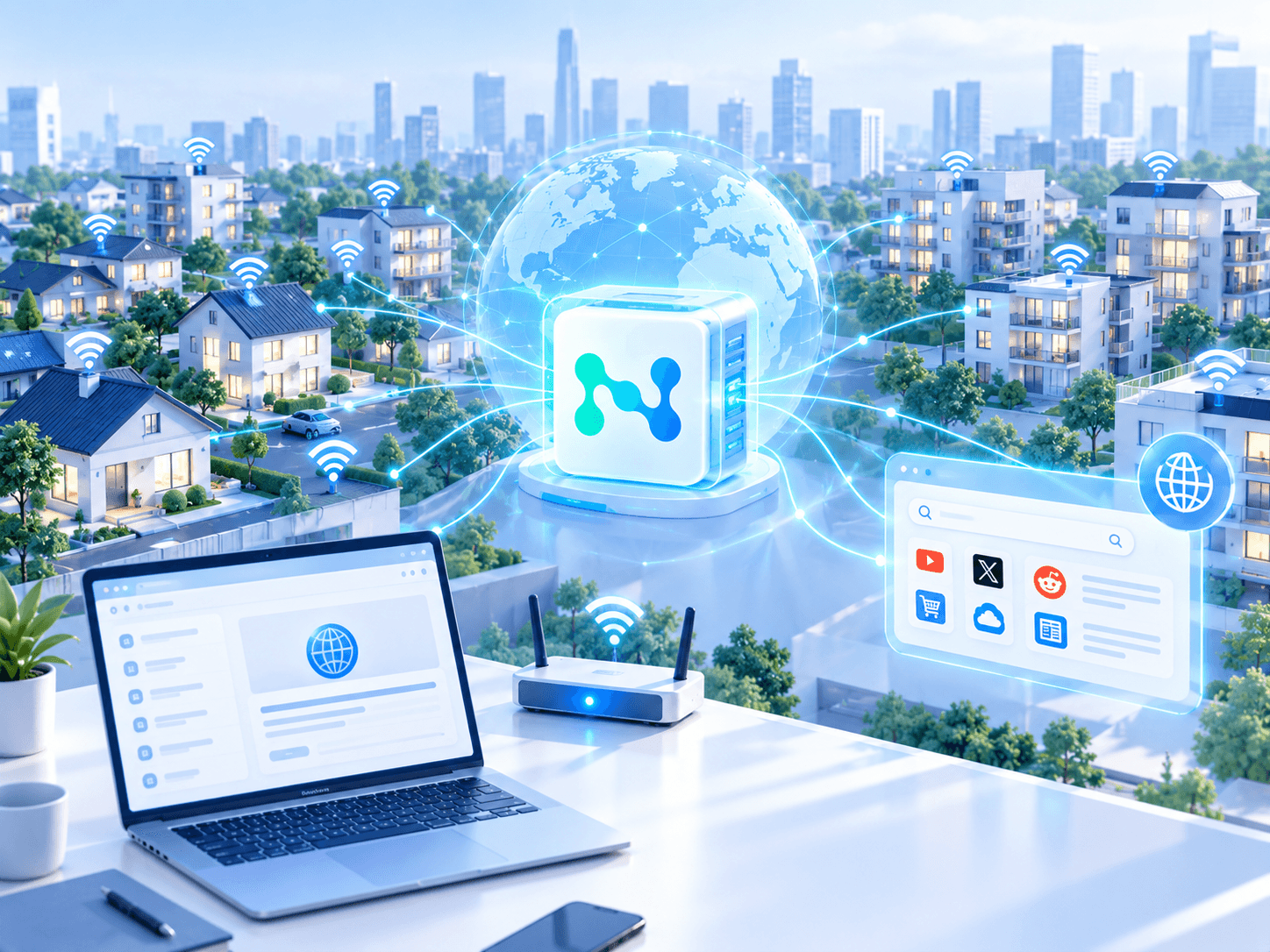
Residential proxies use IP addresses assigned by regular internet service providers for home or user connections. For websites, such traffic looks like the activity of a standard internet user connected through a familiar fixed network. That is why residential addresses are widely used where a high level of trust in the IP, a broad geographic selection, and predictable connection behavior are important.
The main advantage of this type is the balance between route quality, location availability, and the likelihood of restrictions from platforms. Residential proxies are suitable for tasks that require handling a large number of requests, obtaining data from different regions, checking local search results, tracking prices, analyzing product assortments, testing content and ad display, and similar purposes. They often prove more practical in projects where scale and manageability matter more than the maximum frequency of address changes.
At the same time, residential proxies cannot be considered the universally best option for every environment. Their cost is higher than that of data center solutions, and the quality of the pool and stability depend heavily on the provider. In addition, under high load or when working with platforms where traffic quality requirements are especially strict, a residential pool may be less resilient to restrictions than a mobile one.
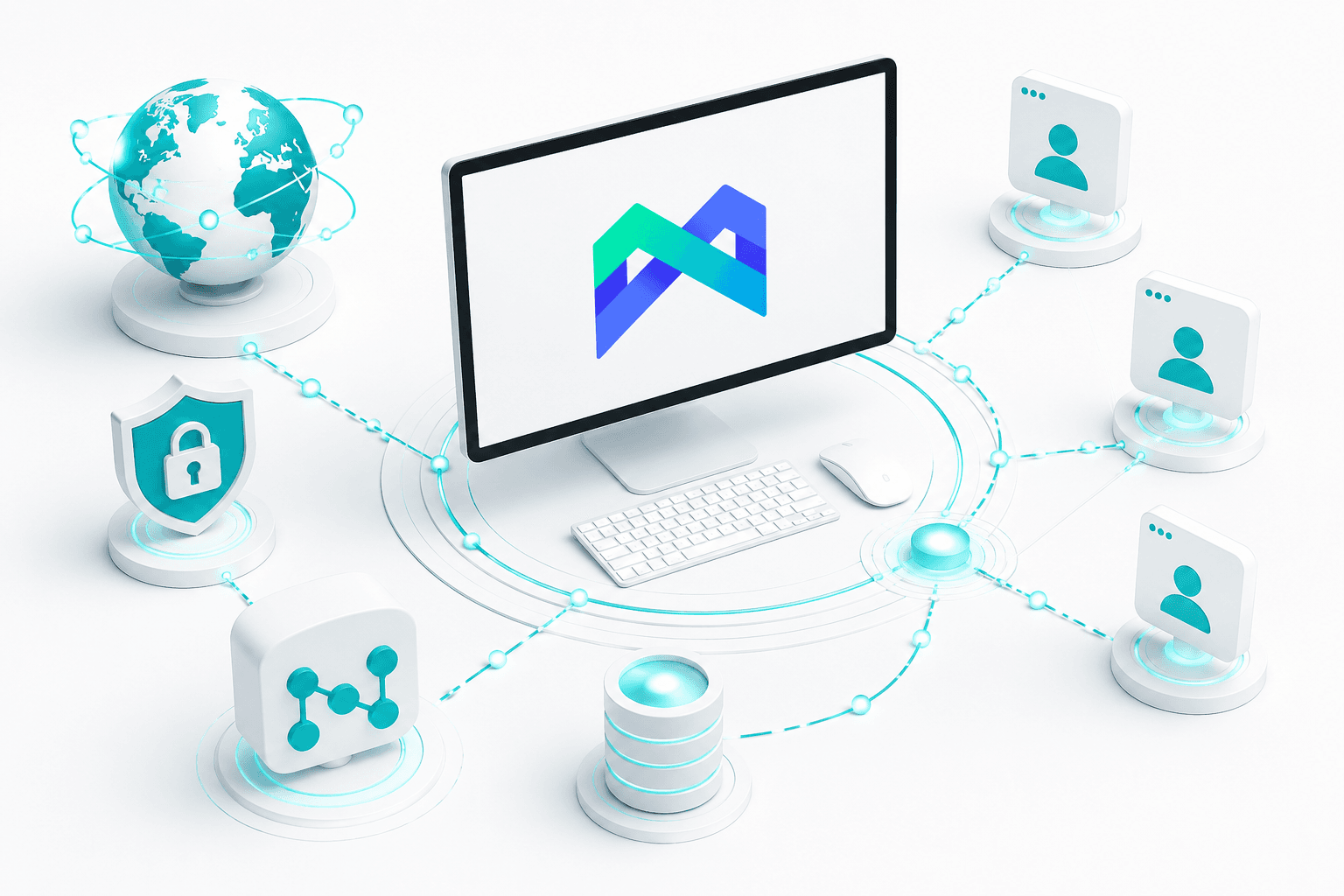
Two Proxy Types: Residential and Datacenter IPv4
Use residential IPs or static IPv4 addresses from data centers.
How Mobile Proxies Differ
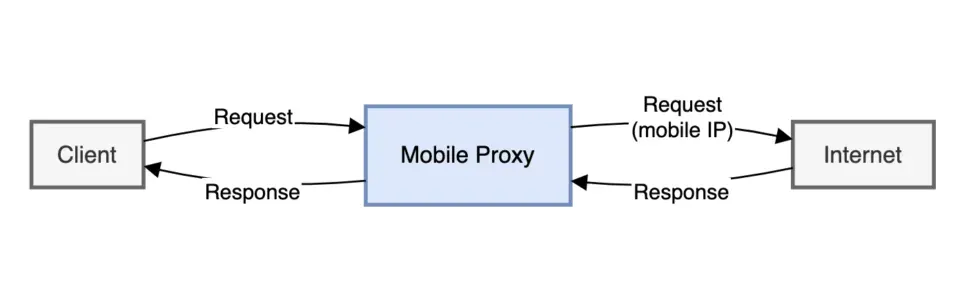
Mobile proxies use IP addresses assigned by mobile operators. This fundamentally changes traffic behavior. Addresses in mobile networks change more often, and a single range may serve a large number of real subscribers. For this reason, such IPs are usually treated by platforms with particular caution: blocking them potentially affects ordinary users of the mobile network, so strict restrictions are applied less often.
In practice, this makes mobile proxies in demand where ordinary stability is no longer sufficient and high resistance to filtering is critical. They are suitable for tasks in environments with increased sensitivity to the type of connection, request frequency, and behavioral patterns. Their advantage is especially noticeable on platforms where it is important to appear as a typical mobile user and where dynamic address changes increase operational resilience.
But mobile proxies also have a downside. This is the most expensive segment, and the speed and stability of the channel may depend on the characteristics of the mobile network. The choice of locations is usually narrower than with residential solutions, and operating costs are higher. Therefore, using mobile proxies where residential ones are sufficient is not always economically justified.
What the Key Difference Between These Types Is
The main difference lies in the nature of the IP address and the model of its use. Residential proxies rely on addresses of regular fixed-access providers, while mobile proxies rely on addresses of cellular operators. All practical consequences follow from this.
Residential proxies usually offer a better ratio of price to applicability. They provide a wide geographic selection, are convenient for large-scale data work, and are suitable for most regular tasks where location accuracy and a predictable connection are needed. Mobile proxies are aimed not at mass use, but at difficult conditions where natural address rotation and the most plausible mobile traffic profile are important.
To simplify the choice, residential proxies are the working standard for a wide range of professional tasks, while mobile proxies are a specialized tool for more demanding scenarios.
When It Is Better to Choose Residential Proxies
Residential proxies are appropriate in projects where a combination of scale, flexibility, and acceptable cost is needed. They are well suited for monitoring prices and assortments, collecting data from commercial platforms, analyzing search results by region, checking localized content, ad verification, and other tasks where it is important to receive responses the way they are seen by a user from a specific country or city.
They are also often chosen for work with e-commerce. In such scenarios, session stability, variety of geolocations, and the ability to scale load without a sharp increase in costs are valued. If a project is connected with regular data collection, comparison of market offers, or testing results in different regions, residential proxies usually prove to be the most rational option.
Another strong argument in their favor is predictability. With the right provider and configuration, they deliver a clear working result without excessive infrastructure costs.
You can buy residential proxy on our website.
When Mobile Proxies Are Justified
Mobile proxies are not needed in every case, but rather when the requirements of the environment are above average and the margin of resilience becomes more important than cost. It is reasonable to use them for tasks where the platform is sensitive to the origin of traffic, the frequency of actions, and the repeatability of patterns. Under such conditions, a mobile IP may perform noticeably more reliably than a residential one, precisely because of the characteristics of the mobile network and regular address changes.
A separate class of scenarios is checking the display of mobile content, ads, and user experience on mobile devices. If it is necessary to reproduce the mobile user journey specifically, mobile proxies provide a more accurate environment. In such cases, they are useful not only as a technical access tool, but also as a way to bring testing closer to the real behavior of the audience.
However, it is not advisable to use mobile proxies for all tasks indiscriminately. If we are talking about large-scale monitoring, analytics, data collection, and other standard processes.
What Matters More in the Choice: Price, Speed, or Resilience
In practice, the choice is almost always built around three parameters: budget, the nature of the load, and the platform’s requirements.
If cost control is important, in most cases it is reasonable to start with residential proxies. They provide a good working balance and cover the main share of professional tasks without unnecessary extra expense. If the project requires increased resilience in a sensitive environment, the budget should already be planned around mobile solutions.
As for speed, the situation does not come down to a simple comparison of “which is faster.” What matters here is not only throughput, but also the overall quality of operation under real conditions: how many requests go through without restrictions, how stable the sessions are, and how the pool behaves under prolonged load. Formally higher speed does not always mean a better final result if the platform begins to restrict traffic.
That is why, in practical choice, resilience often turns out to be more important than peak figures. If residential proxies cope with the task without losses in quality, there is usually no point in overpaying for mobile ones. If they do not cope, switching to a mobile pool becomes justified.
Conclusion
Residential and mobile proxies solve different tasks, although outwardly they may seem like similar tools. Residential proxies are the main working option for most projects where scale, a wide geographic selection, acceptable cost, and stable performance are needed. Mobile proxies are a more expensive but more resilient tool for scenarios with higher requirements for traffic type and connection model.
If the task is typical, involving regular data collection, monitoring, regional content checking, or work with e-commerce, it is most often reasonable to start with residential proxies. If the environment imposes stricter requirements and the usual level of resilience is no longer sufficient, then switching to mobile proxies is justified.