Mobile Proxies: Use Cases and How They Differ from Other Proxies

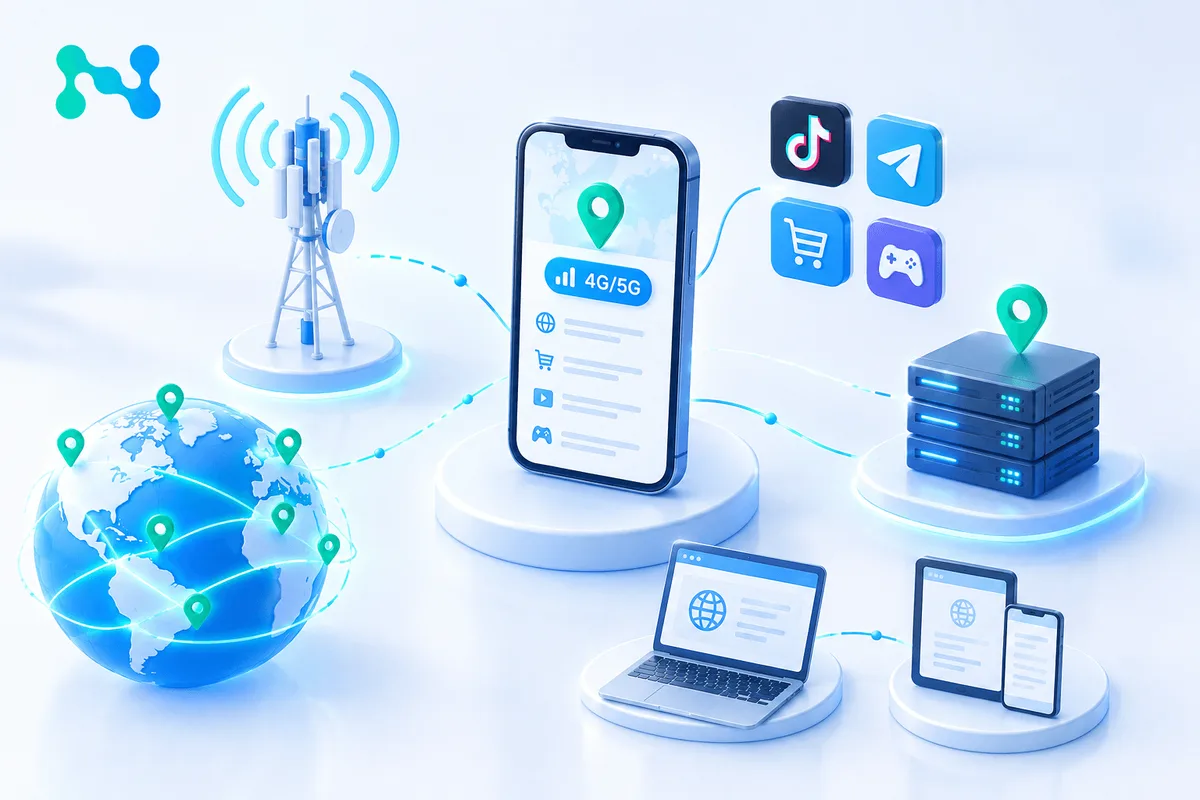
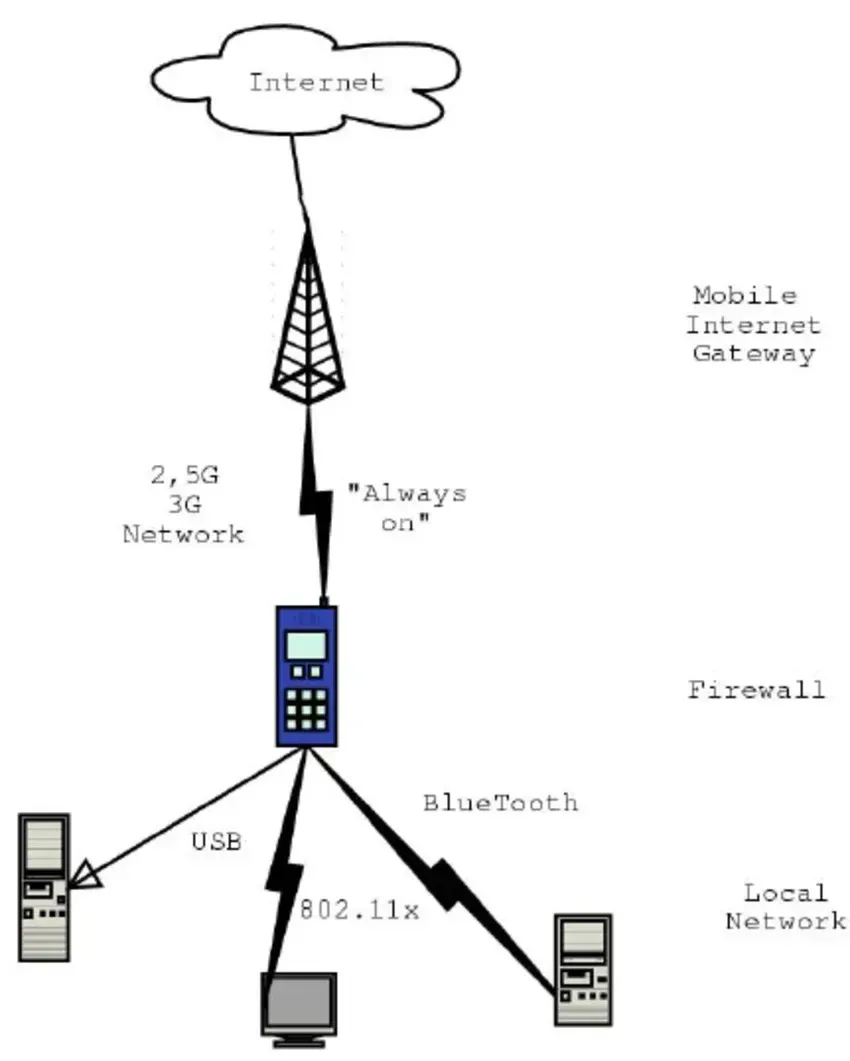
Mobile proxies use IP addresses that belong to cellular carrier networks. As a result, requests to websites and online services appear as if they are coming from smartphones or other devices operating through mobile connectivity. In practice, this matters in cases where a resource analyzes not only the fact of the connection itself, but also the origin of the traffic.
Unlike standard server-based solutions, mobile proxies are not needed for every kind of network-related work. They are a tool for specific scenarios in which the connection environment, geography, and the behavior of addresses within mobile infrastructure matter.
How Mobile Proxies Work
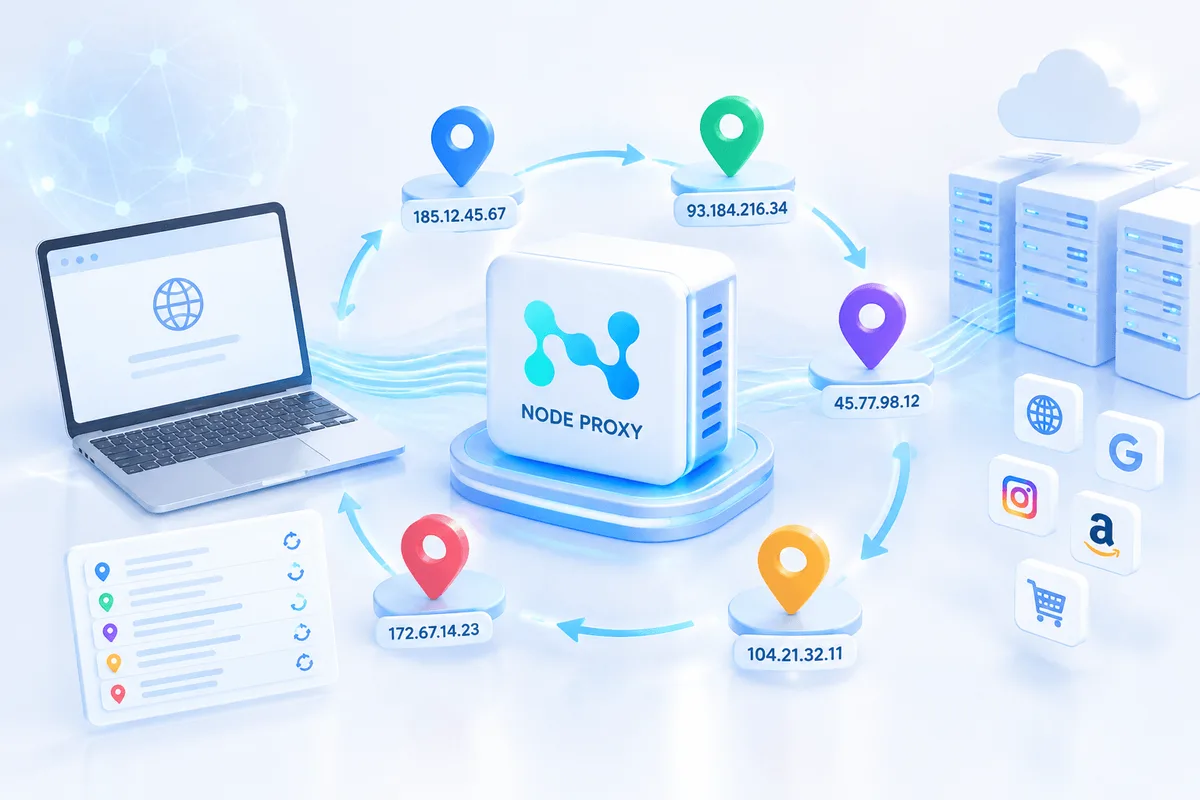
When a proxy is used, the connection is not established directly between the device and the website. First, the request passes through an intermediate node, and only then is it sent to the target resource. The external side sees the IP address of that node rather than the user’s original address.
If we are talking about mobile proxies, an address from a mobile carrier’s pool is used as the exit point. Because of this, the website perceives such a connection as ordinary mobile traffic. For a number of platforms, this has practical significance: requests of this type often look more natural than requests coming from addresses owned by data centers.
In addition, providers often use IP rotation at certain intervals. In this case, the operation is not tied to a single address for too long, which makes the connection model more flexible in repetitive scenarios.
A Reliable Foundation for Your Projects
Residential proxies for automation, analytics, and everyday workflows.
Why Mobile IPs Are Placed in a Separate Category
The main difference of mobile proxies is not in the mechanics of address substitution itself — that is characteristic of any proxy. What matters is the source of the IP. Here, it is associated not with a server facility and not with a home network, but with a mobile carrier. This affects both how websites evaluate such traffic and in which tasks it proves more useful than other solutions.
That is why mobile proxies are more often regarded as a specialized tool. They are chosen not because they are universally better, but because in certain scenarios they correspond more precisely to the conditions that need to be reproduced.
Mobile Proxy Use Cases
Using this type of proxy is justified in cases where what is required is not just a different IP address, but a connection whose profile is close to that of a mobile user.
Checking Mobile Versions of Websites and Applications
If you need to assess how an interface works in a specific country, how local content loads, or how a feature available to a mobile audience behaves, mobile proxies make it possible to test this in an environment that is closer to real conditions.
Analyzing the Regional Display of Advertising
Ad blocks, ad positions, and the format of results may depend both on location and on device type. In such cases, mobile proxies help reveal the picture as it is seen by the audience of the mobile segment in the required geography.
Working with Platforms Where Mobile Traffic Plays the Main Role
Services primarily oriented toward smartphone use often need to be checked specifically in a mobile context. Here, it is important not only to open a page from another location, but also to see how the system responds to a connection characteristic of a mobile network.
Studying Mobile Storefronts and Catalogs
Marketplaces and other commercial platforms may form offers differently depending on the region and the type of connection. If the task is to analyze prices, assortment, or local search results, mobile proxies make it possible to obtain data in a more relevant form. This is a common part of price monitoring.
Testing Mobile Games
For gaming products, this can be useful when checking operation in specific countries, analyzing local settings, evaluating content display, and in other scenarios where it is important to approximate the conditions of a real user on a mobile network.
Types of Mobile Proxies
In practice, the difference between mobile proxies is determined not only by the provider, but also by the model by which they are issued.
Private
Such proxies are assigned to a single client. This is an option for tasks where control over address usage, more predictable behavior, and minimal dependence on third-party activity are important.
Shared
Here, one IP or part of a pool is used by several users. The main advantage is more affordable cost. The main drawback is lower stability and stronger dependence on the overall load.
With Automatic Rotation
In this format, the IP address changes at specified intervals or according to a certain rule. This approach is suitable for processes where there is no need to keep the same exit point for a long time. The same principle is used by rotating proxies.
With Address Retention Within a Session
Session, or sticky, proxies retain one IP as long as a specific session continues. This is convenient in cases where continuity of actions is important and changing the address in the middle of the process is undesirable. Read more in sticky vs. rotating proxies.
Advantages of Mobile Proxies
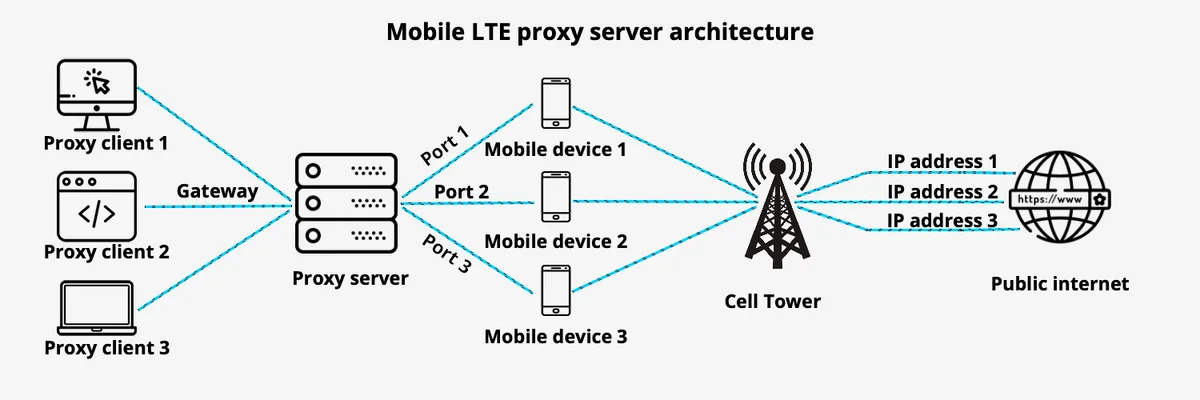
Mobile proxies are valued not for one universal advantage, but for a combination of several characteristics.
- First, they provide access to traffic that, for many platforms, looks like traffic coming from a mobile network, and this is important in scenarios where standard server IPs are less appropriate.
- Second, they are suitable for checking content, interfaces, and advertising placements in relation to specific regions.
- Third, when rotation is available, such proxies make it possible to distribute requests across different addresses without rigidly fixing them to a single exit point.
- Fourth, they are useful specifically in mobile-oriented tasks where simply changing the IP is not enough — the very nature of the connection must be reproduced.
How Mobile Proxies Differ from Other Types
The usefulness of mobile proxies is best understood in comparison with alternatives. A detailed comparison is available in our guide residential vs. mobile proxies.
Compared with Residential Proxies
Residential proxies also use real user IPs, but they belong to home connections. They are well suited to a broad range of tasks and often prove to be a more economical option. Mobile proxies, in turn, have the advantage in cases where a connection specifically from a mobile environment is needed, rather than simply an address associated with a real user. For more detail, see our overview of how residential proxies work and where they are used.
Compared with Datacenter Proxies
Datacenter proxies are usually faster and cheaper. They are convenient for tasks where scale, bandwidth, and cost matter. But their profile is easier to identify as server-based, so in mobile scenarios or on sensitive platforms they do not always produce the required result.
Compared with ISP Proxies
ISP proxies combine stability and high speed with addresses associated with internet providers. This is a good compromise between performance and the naturalness of the connection. However, in terms of traffic profile, they still differ from mobile proxies, since they do not reproduce the mobile network environment.
Limitations of Mobile Proxies
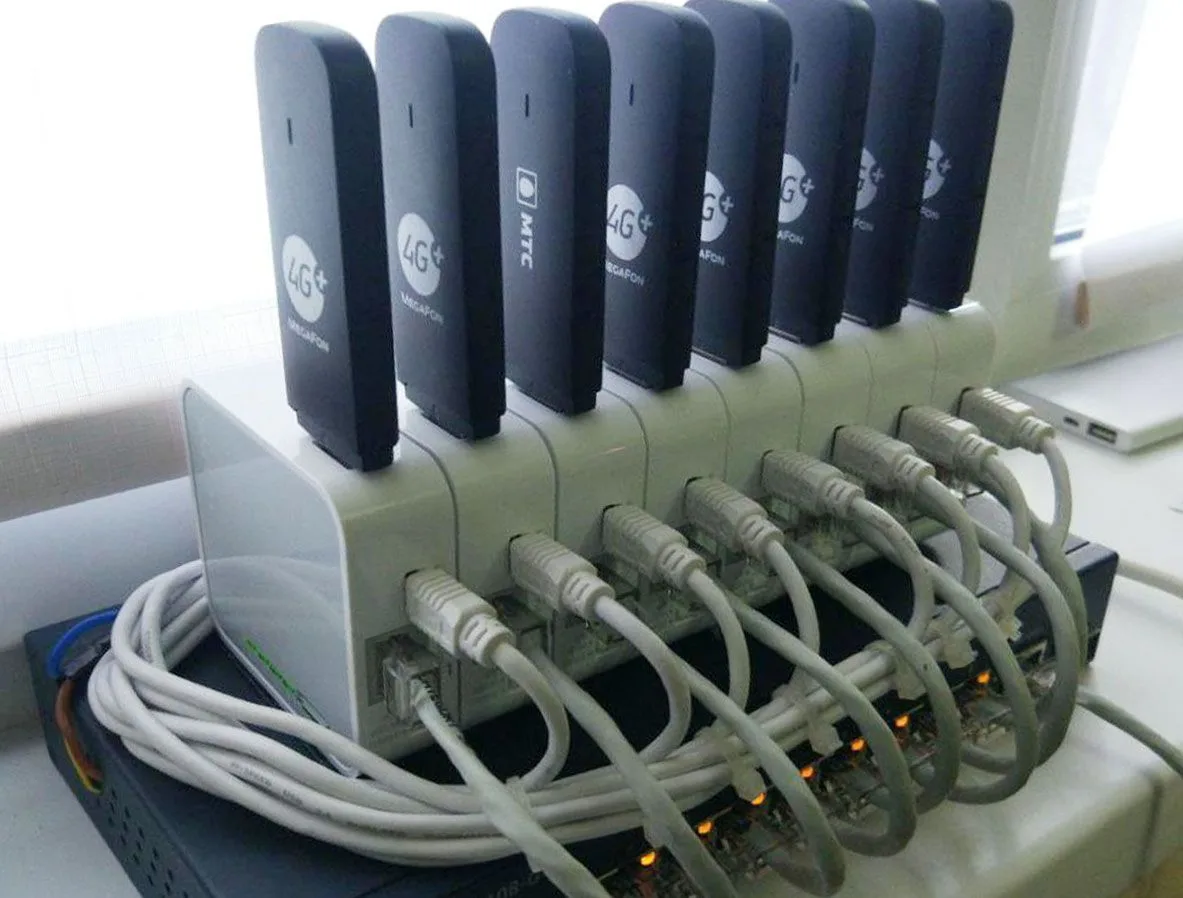
Despite their advantages, this option cannot be considered optimal by default.
- First of all, mobile proxies are more expensive than many other solutions. Their cost is usually higher because of the specifics of the infrastructure and the limited nature of the mobile IP resource itself.
- They also do not always outperform in terms of speed. If the task depends on maximum performance, data center proxies or some ISP solutions may be more practical.
- In addition, mobile proxies are not needed where the origin of the traffic does not play a significant role. In such cases, the user simply overpays for properties that do not provide noticeable benefit.
- Another important point is the correct choice of operating mode. A mistake when choosing between a shared, private, rotating, and session-based option can worsen the result even if the proxies themselves are of good quality.
How to Understand That This Specific Type of Proxy Is Needed
The choice comes down to one question: does the result depend on how the website perceives the source of the traffic? If you need to check mobile search results, local content display, application behavior, or another scenario in which the mobile environment itself is important, such proxies are justified.
If, however, the task comes down to technical access, high speed, or large-scale request processing without reference to the network type, it is more rational to look toward other solutions.
Mobile Proxies FAQ
What is a mobile proxy?
A mobile proxy is a proxy server whose exit IP address belongs to a cellular carrier. Websites see such requests as ordinary traffic from smartphones on a mobile network.
What are mobile proxies used for?
Typical use cases are testing mobile versions of websites and apps, checking regional ads and search results, studying mobile storefronts and catalogs, and working with platforms built mainly for smartphone users.
Are mobile proxies better than residential proxies?
Not in general. Mobile proxies win where a mobile network environment is required, while residential proxies cover a broad range of tasks and are often more economical.
What is the difference between private and shared mobile proxies?
A private mobile proxy is assigned to one client, so its behavior is more predictable. A shared proxy is used by several clients, which makes it cheaper but less stable.
Conclusion
Mobile proxies are not a universal standard for any network-related tasks, but a specialized tool. Their main value is associated with the use of mobile carrier IP addresses, which makes such connections especially useful in scenarios focused on mobile traffic, regional service display, and checking user experience in different countries.
They are chosen when it is important to reproduce the mobile context of the connection itself. That is where their practical meaning lies: not maximum speed and not minimum price, but precise correspondence to a specific task.