Best Bright Data Alternatives: Matching Its Strengths at Lower Complexity

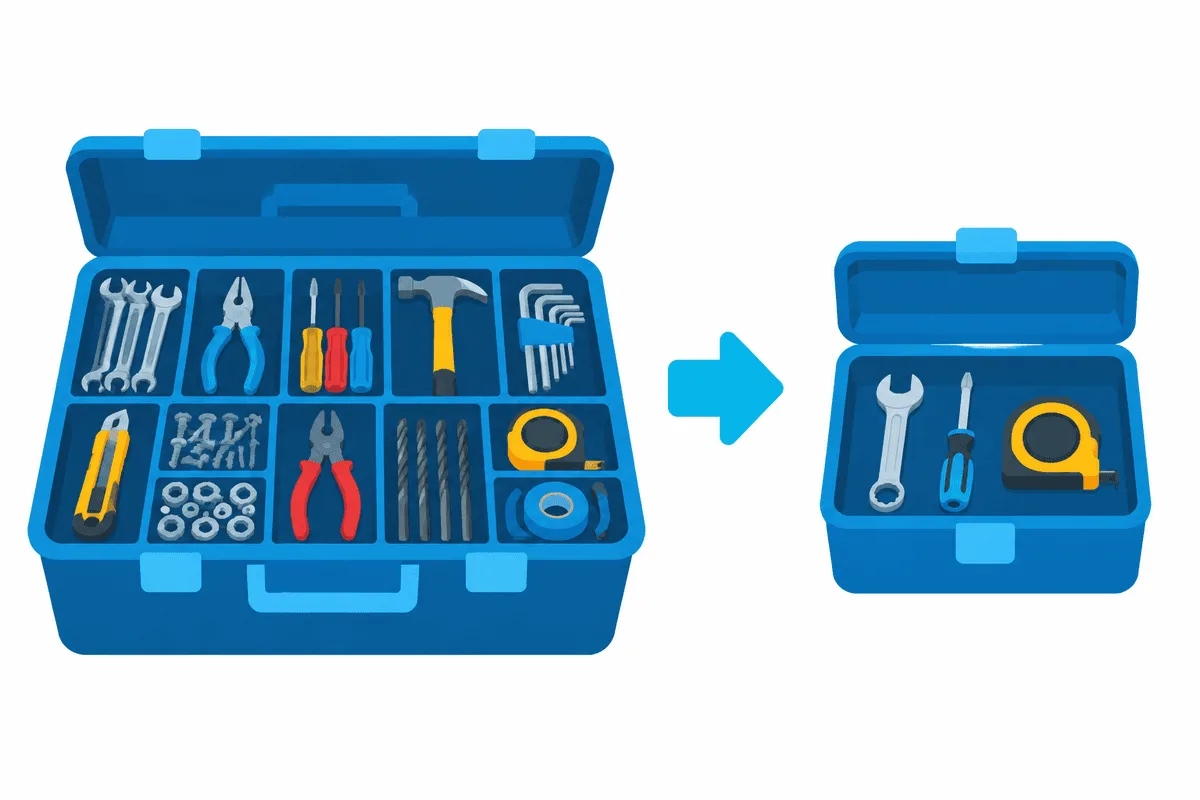
A good Bright Data alternative replaces the specific part of Bright Data you rely on, not the whole platform. If you need its scraping tooling, Oxylabs and Zyte come closest; for deep geo targeting, SOAX and Decodo are worth a look; for lower costs on plain proxy traffic, IPRoyal, Webshare, DataImpulse or Node Proxy fit better. Few teams use every Bright Data product, so the replacement can usually be simpler and cheaper.
Most lists of alternatives just rank ten logos. This guide starts from Bright Data's key strengths, explains what they cost you in money and complexity, and then shows which provider covers each strength for a specific workload.
Proxies without the complexity
Residential, static and datacenter proxies in one account with country and city targeting
What Bright Data Does Best
Before moving, it is worth naming what you would give up. According to its own product pages at the time of writing, Bright Data's main advantages are:
- A huge, mixed address pool. Home-broadband exits, ISP-hosted static addresses, server IPs and carrier IPs all live in one account, and location can be narrowed to a city, a postal area, a specific network (ASN) or a mobile operator across many markets.
- A full scraping toolset. Web Unlocker, SERP API, a hosted scraping browser, ready-made scraper APIs for popular sites and a marketplace of prepared datasets.
- Compliance processes. Customer verification (KYC) for certain use cases and published policies on how residential IPs are sourced.
- Enterprise support. Account managers, SLAs and integrations for large teams.
If your project depends on several of these at once, staying may be cheaper than stitching the same stack together from separate vendors.
Where Bright Data Feels Heavy
Users who switch usually mention one or more of these points:
- Pricing complexity. Each product has its own billing unit: per GB, per IP, per successful request, per record. Forecasting a monthly bill takes effort.
- High cost at small volumes. Pay-as-you-go rates are noticeably above budget providers; discounts arrive with committed plans.
- Onboarding friction. Verification is required before some targets and features become available, which slows a quick start.
- A busy control panel. The sheer number of zones, products and settings is overkill for a team that only needs rotating proxies.
None of this is a flaw for a large data team. It becomes one when you use a tenth of the platform and pay for the complexity of the rest.
Bright Data Alternatives at a Glance
Descriptions are based on public vendor pages at the time of writing. We have not run comparative tests of these services. Prices are omitted because they change often; check current terms before buying.
| Provider | Covers which Bright Data strength | Simpler or cheaper in | Keep in mind |
|---|---|---|---|
| Oxylabs | Scraper APIs, unblocker, large residential pool | Clear product split, strong docs | Pricing aimed at bigger teams |
| Zyte | Managed extraction and Scrapy ecosystem | Pay per request scaled by site difficulty | Focus on scraping, not raw proxies |
| Apify | Ready scrapers (actors) and scheduling | Large catalogue of community scrapers | Proxy pool is secondary to the platform |
| Decodo (ex-Smartproxy) | Home-IP, ISP and server pools with add-on scraping endpoints | An uncluttered panel, plans that are easy to read | Fewer enterprise extras |
| SOAX | Fine targeting by city, carrier and ASN | Clean targeting interface | Mostly monthly plans |
| IPRoyal | A wide mix of IP families, carrier exits included | Purchased gigabytes stay on the balance, the vendor says | Narrower toolset |
| Webshare | Datacenter and static proxies | Very low entry cost | Residential network less known |
| Node Proxy | Home-IP rotation, static ISP plus IPv4 addresses, server IPs, SOCKS5 access | A single login for every proxy family; home-IP traffic is billed by the gigabyte | No dataset marketplace or site-specific scraper APIs |
Choosing an Alternative by Workload
Large-scale scraping with managed access
If your team relies on Web Unlocker or site-specific scraper APIs, look at Oxylabs and Zyte first. Both take over retries, rendering and parsing for many targets. Put both through the same batch of your URLs, because pass rates swing from one site to the next. Where pages are lightweight and a changing IP is all they ask for, paying for a managed layer rarely makes sense; our piece on proxies in web scraping shows how to tell such targets apart.
Ready-made data without writing code
The Apify actor store and the Bright Data dataset shop answer one need: tidy records with no scraper of your own to maintain. If datasets were your main reason to pay Bright Data, look first whether an existing actor or a niche data seller already publishes the fields you want.
Proxies only, with good geo coverage
Many teams used Bright Data purely as a proxy network. Here the field is wide. Decodo and SOAX offer flexible targeting with a lighter interface. Node Proxy covers 234 countries and territories with city targeting on residential proxies, billed per gigabyte of traffic.
Tight budget or irregular jobs
If your volume is small or seasonal, look for pay-as-you-go traffic that does not expire, and consider datacenter IPs where targets accept them. The comparison of residential and datacenter proxies shows where cheap server IPs work and where they fail.
Long sessions and account work
Static ISP addresses that stay the same for weeks are the alternative to Bright Data's ISP zone. Several providers sell them; check which countries are included and whether the IPs belong to consumer ISPs. Node Proxy offers static proxies in 39 countries.

How to Compare Cost Fairly
Price per gigabyte rarely tells the whole story. Use a simple formula for each candidate:
cost per successful page = (traffic per page × price per GB + per-request fees) ÷ success rate
Then add hidden costs: the engineering hours needed to replace a managed feature, the servers for headless browsers, and the time to adapt targeting syntax. A provider that is cheaper per gigabyte but forces you to rebuild an unblocker in-house may cost more overall.
Migration Checklist
- List the Bright Data products you actually use and the monthly volume of each.
- Map every zone to a proxy type and targeting rule at the new provider.
- Keep proxy logins outside the codebase, for instance in env settings, so changing vendor means editing config only.
- Run both providers in parallel on 5–10% of traffic for a week.
- Compare success rate, latency and cost per successful page.
- Switch fully only after the numbers hold, and keep the old account until the end of the billing period.
Not sure what IP family suits a given job? A short tour of proxy server types sorts that out quickly.
Bright Data Alternatives FAQ
What is the best alternative to Bright Data?
The answer hinges on the Bright Data product you lean on most. For scraping tooling, Oxylabs and Zyte come nearest; for flexible location settings, SOAX and Decodo; for cheaper plain traffic, IPRoyal, Webshare or Node Proxy.
Is there a cheaper alternative to Bright Data?
Yes, for plain proxy traffic several providers charge less per gigabyte, especially at small volumes. Compare the cost per successful request on your own targets, because a lower price with more failures is not a saving.
Which Bright Data alternative has the best scraping tools?
Oxylabs mirrors the Bright Data lineup most closely, with its own unblocker and a family of scraper endpoints, and Zyte shines for Scrapy shops. Apify fits people who would rather pick a finished actor than code a crawler.
Can I switch from Bright Data without rewriting my scrapers?
Usually yes, if you used plain proxy zones: you replace the host, port, login and password and adapt the targeting syntax. Code that relies on Bright Data-specific APIs or the hosted browser needs more work.
Do Bright Data alternatives require KYC?
Some do for certain targets or proxy types, others only ask for basic account details. Verification policies change, so check each provider's terms; strict checks are often a sign of a provider that takes abuse seriously.