Blog

The Node Proxy blog

Hands-on proxy guides, platform comparisons and field-tested know-how from our team.

6 articles
Featured

How Websites Distinguish Humans from Automation: Signals, Verification Layers, and the Logic of Anti-Bot Protection

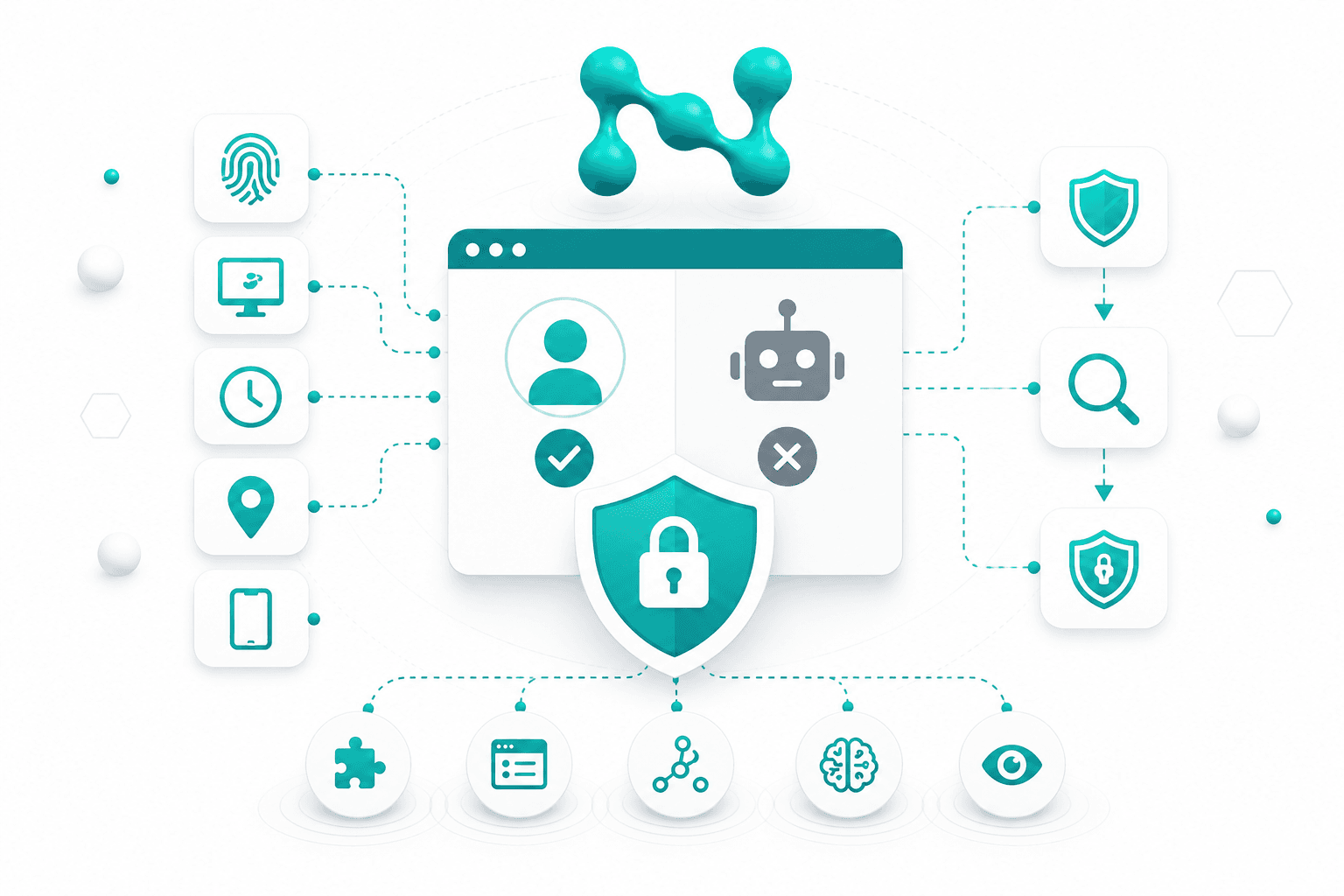
Modern websites have long since moved beyond checking the user agent or using a simple request counter. To distinguish real users from automated traffic, they rely on a multilayered assessment system: they analyze network-level indicators, characteristics of the browser environment, behavior within the session, and the client’s response to verification scenarios. Only the combination of these methods provides acceptable accuracy, because each individual signal can be distorted, whereas forging a consistent behavioral picture is significantly more difficult.

Anton VasilkovAnton Vasilkov
Read

Proxy Script Address: How Automatic Configuration Works and When It Is More Useful Than Manual Setup

Proxy setup is not always limited to manually entering an IP address, port, and additional parameters. In many cases, a different approach is used: the system or browser is given a proxy script address, while all route selection rules are taken from a separate configuration file. This method is convenient where it is important to manage settings centrally, update rules quickly, and reduce the number of user-side errors. A proxy script address is a link or path to a PAC file. This file contains a set of rules by which the device determines when traffic should be sent through a proxy and when a direct connection should be used. Instead of a static scheme with a single server for all requests, a logic-based approach is applied: one resource may use a proxy, another may use direct access, and in some cases a choice between several routes is possible.

Anton VasilkovAnton Vasilkov·June 28, 2026

HTTP Proxy: What It Is Used For and What Role It Plays in Web Traffic

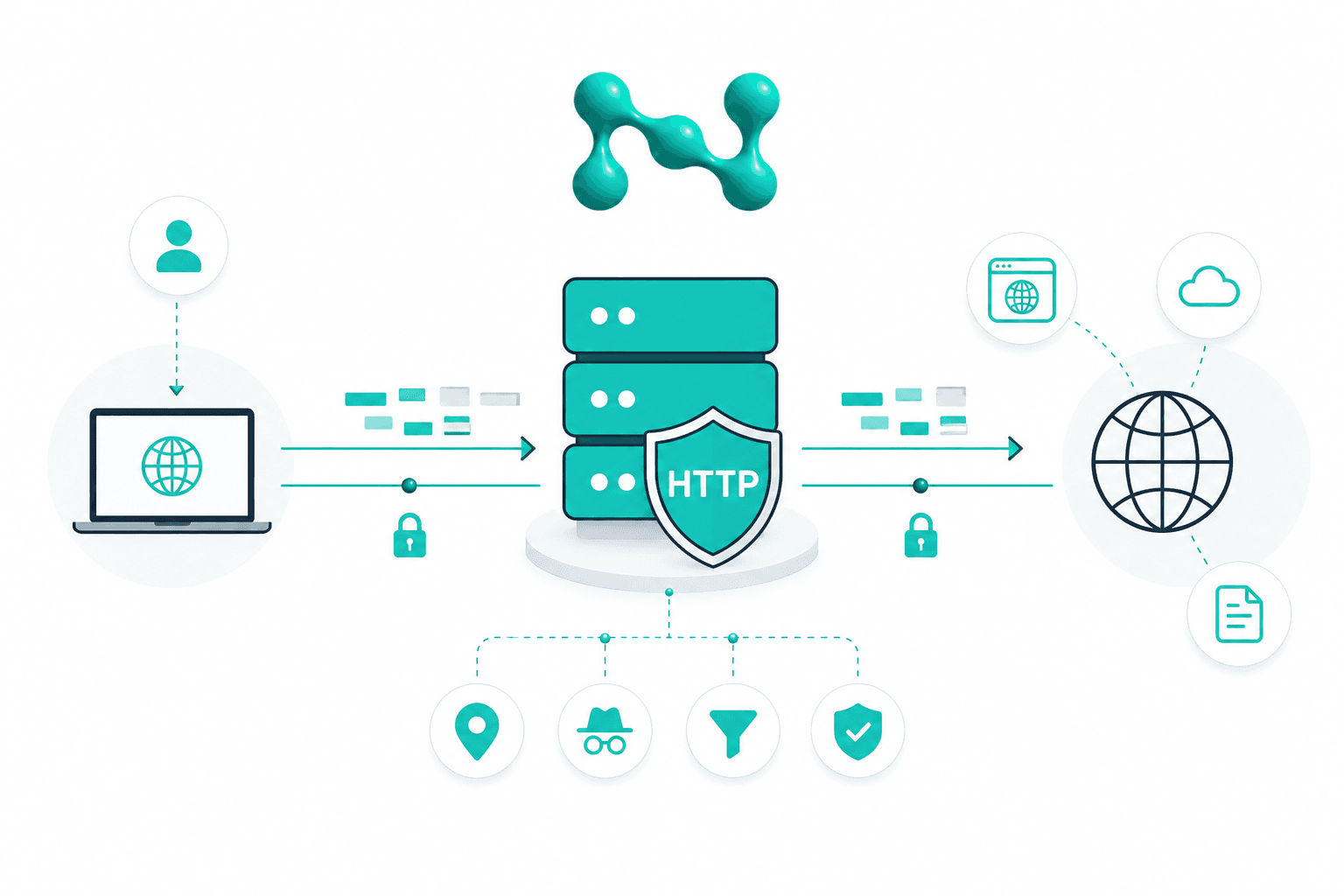
An HTTP proxy is an intermediary node through which requests pass between a user and a web resource. It receives a request from the client, processes it according to defined rules, and only then forwards it to the target server. The response returns along the same route. Because of this scheme, the proxy becomes not just a data transmitter, but a separate layer of web traffic management. This mechanism is used for a wide range of tasks: caching pages, filtering requests, controlling access, distributing load, and protecting server infrastructure. At the same time, an HTTP proxy is not a universal network solution for all traffic. Its area of responsibility is specifically interaction with web resources and web applications.

Anton VasilkovAnton Vasilkov·June 28, 2026

Proxies in Business: Where They Are Truly Useful and What Tasks They Help Solve

Proxies are used not as a universal solution for any online task, but as a practical tool in situations where stable access, accurate data collection, checking search results by region, and secure work across multiple digital environments matter. For business, this is primarily an applied technology: it helps analyze the market, track brand usage, test websites and advertising campaigns, and support processes related to SEO, content, and the scaling of an online presence.

Anton VasilkovAnton Vasilkov·June 22, 2026

How to Safely Manage Multiple Social Media Accounts for Business

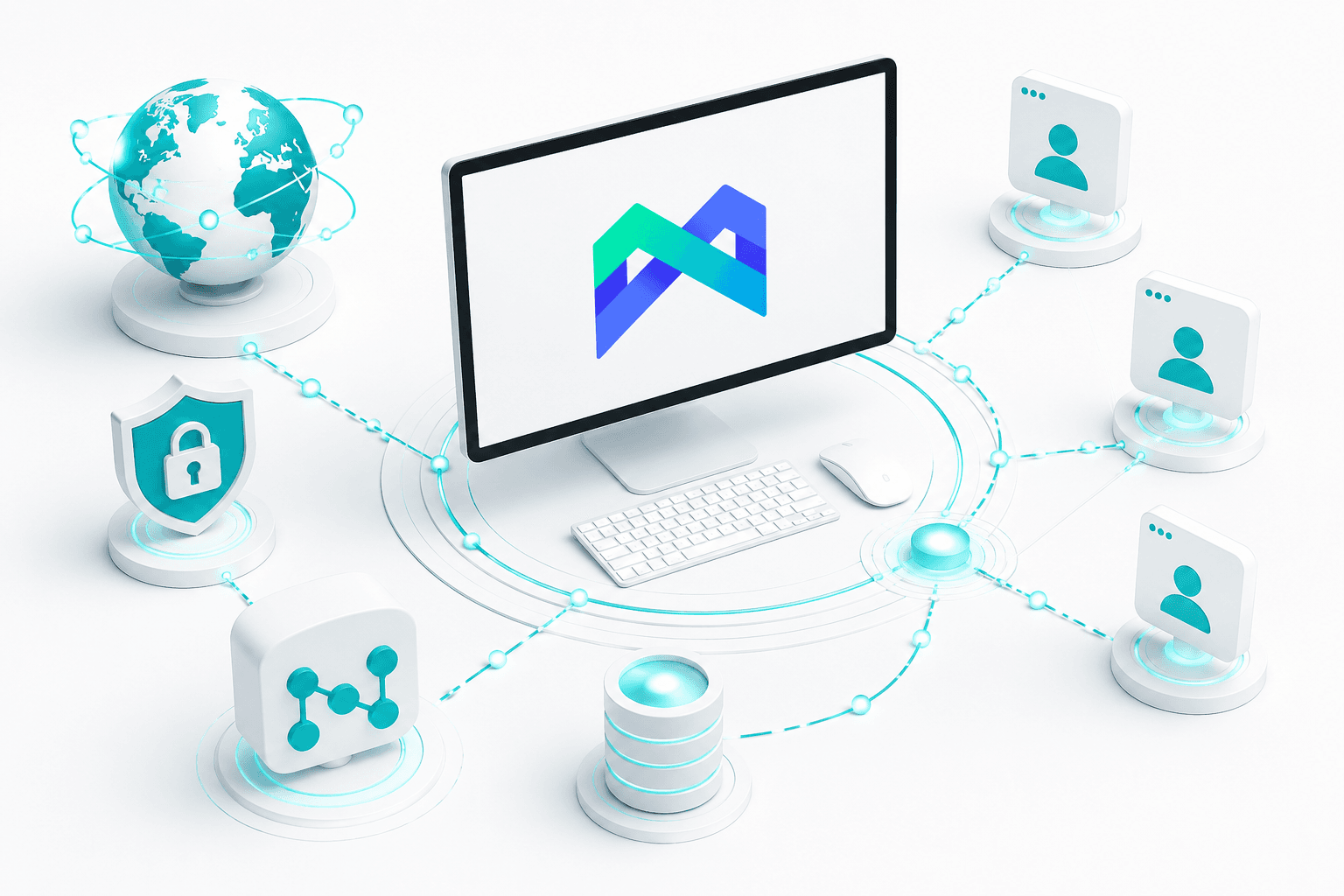
Working with multiple social media accounts has long become a routine task for agencies, marketers, e-commerce teams, and brand managers. One profile rarely covers all business scenarios: separate pages are needed for different regions, client projects, product lines, content testing, advertising hypotheses, and communication with different audience segments. The difficulty begins not at the moment of publishing content, but in the technical organization of the work. Social platforms evaluate not only the actions of an account, but also the environment from which it is used: IP address, cookies, browser fingerprint, device, login geography, session behavior, and other signals. If several profiles regularly overlap in these parameters, the system may consider them connected. This increases the risk of checks, temporary restrictions, and bans. Competent management of a multi-account system is built on three principles: profile isolation, a stable technical environment, and natural activity.

Anton VasilkovAnton Vasilkov·June 22, 2026

American Proxy Servers: How They Work and What Tasks They Are Suitable For

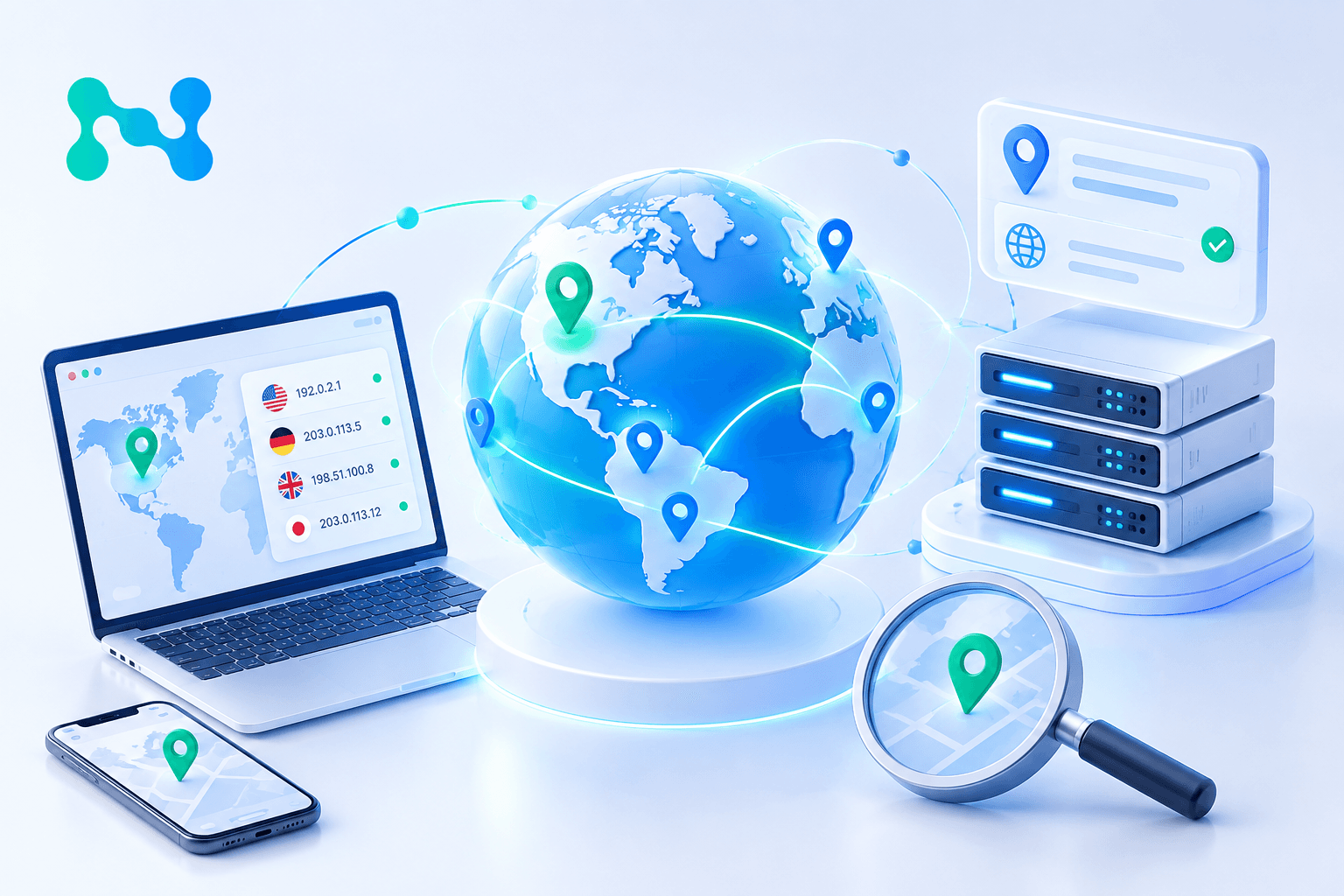
A proxy server is an intermediary node between a user’s device and a web resource. A request first passes through it, and only after that is it sent to the required website or service. This setup is used not only as a technical layer within a network, but also as a practical tool for tasks where the geography of the IP address, traffic control, access stability, and separation of network scenarios matter. Proxies with U.S. IP addresses stand out as a separate category because the U.S. geography remains important for many digital services, platforms, and infrastructure solutions. In a number of cases, it is important that requests appear to come from the United States: this applies to testing localized versions of websites, working with regional accounts, checking advertising results, analyzing interfaces, and accessing functions tied to a specific market.

Anton VasilkovAnton Vasilkov·June 22, 2026